
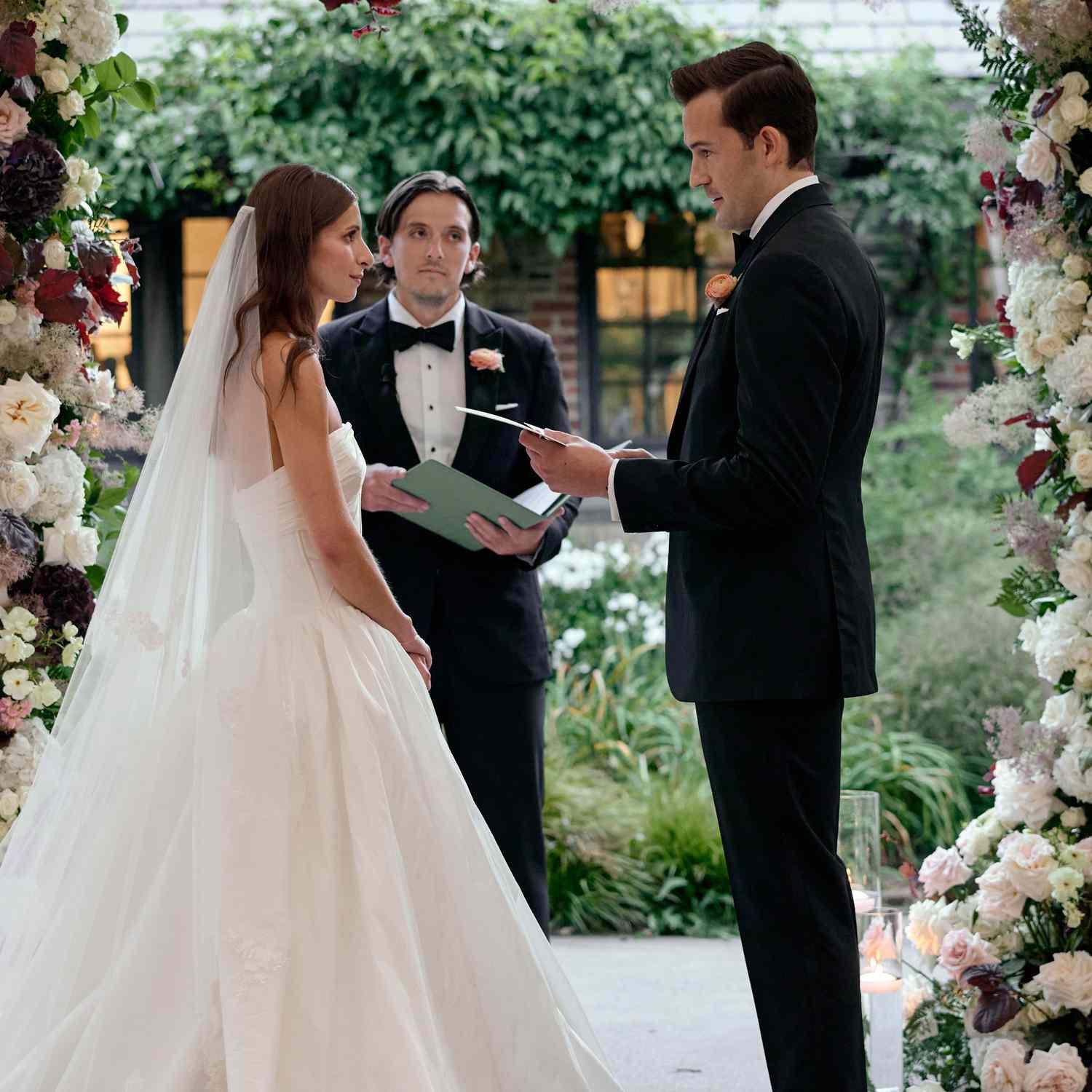
Immigration laws are binary: you either meet the requirements, or you don’t. There is very little room for “close enough.” When applying for a wedding visa, you are asking a government for permission to bring a foreign national into their territory, often with a path to permanent citizenship. Consequently, the requirements are strict.
While every country has its nuances, the core pillars of wedding visa eligibility remain consistent across the UK, USA, Canada, and Australia. Here are the non-negotiable requirements you must know.
1. The “Genuine Relationship” Requirement
This is the most subjective and scrutinized requirement. You must prove your relationship is not a “sham” arranged solely for immigration purposes.
- In-Person Meeting: Almost all wedding visas (especially the US K-1 and UK Fiancé visa) require that you have met in person at least once within the last two years. Online-only relationships do not qualify.
- Ongoing Contact: You must show evidence of a continuing relationship. This isn’t just one photo from three years ago; it requires a timeline of interaction—messages, calls, and shared experiences.
2. The Financial Requirement (Maintenance)
Governments want to ensure the incoming partner will not become a burden on the state welfare system.
- Minimum Income: The sponsor is usually required to earn a minimum annual salary (e.g., £29,000+ in the UK as of 2024 updates, or 100-125% of the poverty guidelines in the US).
- Savings Route: If the sponsor does not meet the income threshold, you can sometimes use cash savings to bridge the gap. However, the savings usually must have been held in a bank account for at least 6 months prior to application.
- Third-Party Support: In some visas (like the US), a joint sponsor (like a parent) can help meet the requirement. In others (like the UK), third-party support is generally not allowed for the initial visa.
3. The Accommodation Requirement
You must prove that there is adequate housing for the couple upon the applicant’s arrival.
- No Overcrowding: The home must not become statistically overcrowded by the addition of the applicant.
- Permission: If you are renting, you need a letter from the landlord explicitly giving permission for the applicant to move in. If you live with parents, you need a letter from them and usually a property inspection report to prove the house is big enough.
4. The “Intention to Marry”
You cannot simply say, “We might get married.” You must prove intent.
- Provisional Bookings: Emails with registry offices inquiring about dates are helpful.
- Wedding Prep: Receipts for engagement rings, wedding dresses, or venue deposits serve as strong evidence.
- Freedom to Marry: You must legally be free to marry. If you are still technically married to an ex-partner (even if separated for years), your application will be denied. You need the final divorce decree in hand.
5. English Language Requirement
For settlement visas (where the partner intends to stay), the applicant usually must prove they can speak basic English.
- The Test: This must be an approved test (like IELTS Life Skills) at a specific level (usually A1 for beginners).
- Exemptions: Applicants from majority English-speaking countries (like the USA or Australia) or those with a degree taught in English are typically exempt.
6. Tuberculosis (TB) Testing
Residents of many countries (including parts of Africa, Asia, and Eastern Europe) must undergo a chest x-ray to test for TB at a clinic approved by the destination country’s Home Office. The certificate must be included with the application.